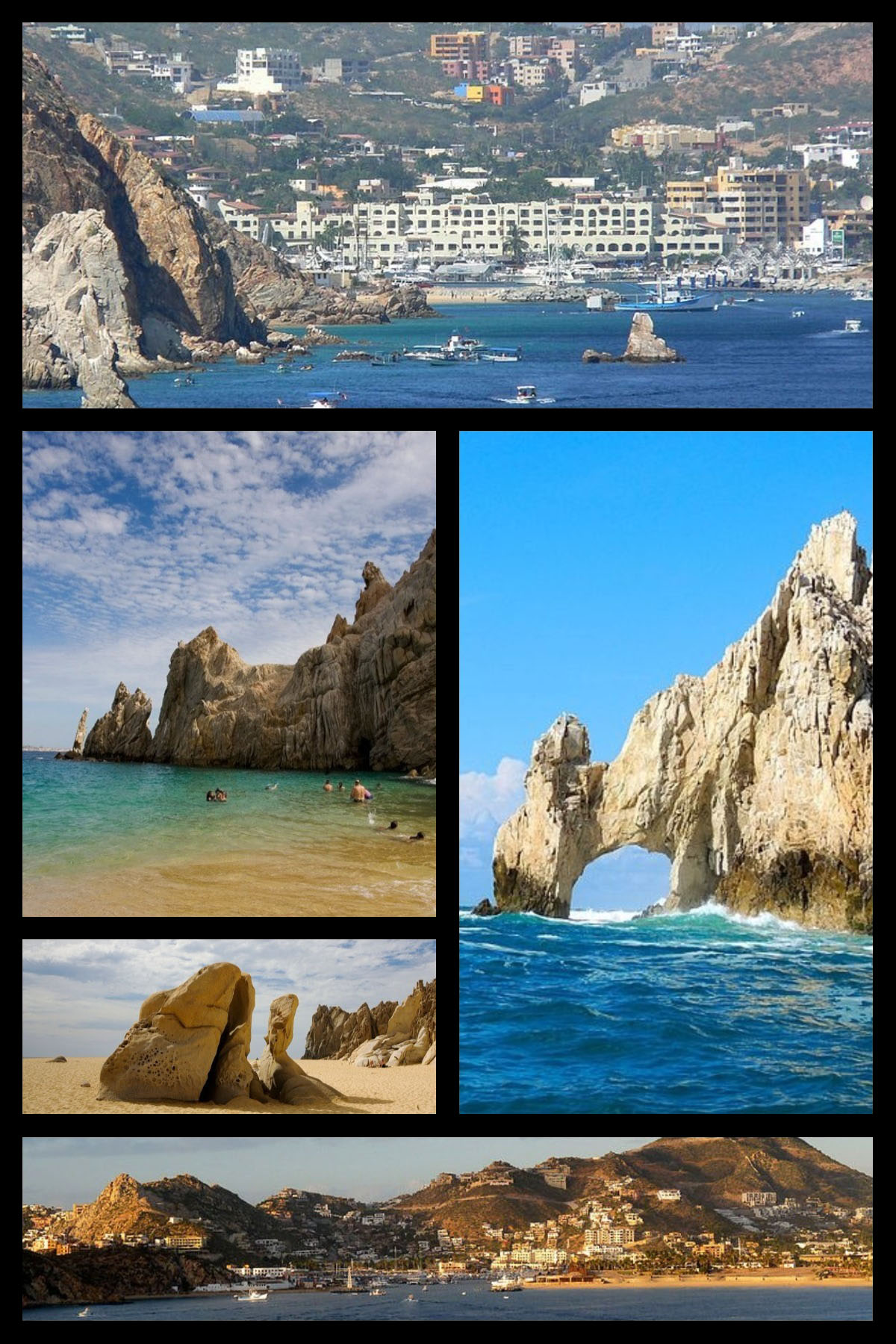
Cabo
USA
Private jet charter airports in Cabo
Cabo is served mainly by two airports: Los Cabos International Airport (SJD) near San José del Cabo and Cabo San Lucas International Airport (MMSD, also identified as CSL). Your choice depends on the aircraft, arrival procedures, and where you are staying.
SJD is the primary airport for international arrivals. Its private aviation facilities handle business jets separately from the commercial terminal, with ramp access, passenger lounges, customs and immigration coordination, ground transportation, and aircraft handling. FBO and handling arrangements can vary by operator and time of day, so confirm the exact provider, arrival instructions, and fees before departure.
MMSD is closer to central Cabo San Lucas, the Corridor, and the marina. It is a practical option for private aircraft when operating permissions, aircraft size, runway requirements, and customs arrangements line up. The airport has general aviation handling and private passenger processing, but it is not interchangeable with SJD for every international itinerary. A broker should check the airport’s current operating conditions before quoting it as the arrival point.
Where Cabo charter clients stay
Many travelers fly into Cabo for resorts along the Tourist Corridor, including Palmilla, Chileno Bay, Cabo del Sol, and Cabo San Lucas. San José del Cabo’s historic center and hotel zone appeal to clients looking for a quieter base, while downtown Cabo San Lucas is convenient for the marina, restaurants, nightlife, and water activities.
Private homes and villas in Punta Ballena, Pedregal, El Tule, and the East Cape also drive demand for charter flights to Cabo. The right airport can make a noticeable difference in the final ground transfer, particularly during holiday traffic or major events.
Why charter to Cabo
Cabo is a leisure destination, but the trip is not always simple. Nonstop commercial schedules may not match a villa check-in, fishing departure, wedding weekend, or return flight. A private jet lets you choose the departure time, bring the group on one aircraft, and use a private terminal instead of the main airline process.
It can also be practical for a multi-city trip. Clients often combine Cabo with La Paz, Loreto, Puerto Vallarta, Mazatlán, or Mexico City. From the western United States, a light or midsize jet can usually cover the route efficiently. Longer trips from the East Coast, Canada, or Europe may call for a super-midsize or heavy jet, depending on passenger count, baggage, and fuel planning.
Seasons and events
Cabo’s busiest leisure periods are winter holidays, spring break, and the cooler winter and spring months. Whale-watching season generally runs from December through April. Autumn brings strong interest from sport-fishing clients, including visitors attending tournaments such as Bisbee’s Black & Blue. The Los Cabos International Film Festival and food, golf, and music events can also tighten aircraft availability; dates and event schedules change each year.
Summer can offer more aircraft flexibility, although heat, storms, and tropical weather require careful dispatch planning. Hurricane-season conditions are monitored for every itinerary, even when Cabo itself is not directly affected.
Choosing the aircraft
Light jets suit smaller groups flying from Southern California, Arizona, Nevada, and nearby markets. Midsize and super-midsize jets provide more cabin space, luggage capacity, and range for longer domestic routes. Heavy jets are the sensible choice for larger groups, substantial sporting equipment, or nonstop international sectors where payload and range matter.
Aircraft availability is not fixed by route. The best option depends on the departure airport, passenger count, baggage, pets, runway limits, and whether the itinerary is one-way or round trip. Ask for the aircraft’s actual model, not just a category label, before booking.
Charter to Cabo
Secure your aircraft today